




Skip links

Introduction

About Us

YMCA is a world Christian movement, with the Paris Basis as its mission: “The Young Men’s Christian Associations seek to unite those young men who, regarding Jesus Christ as their God and Saviour, according to the Holy Scriptures, desire to be His disciples in their faith and in their life, and to associate their efforts for the extension of His Kingdom amongst young men.”

Based on the same mission, Chinese YMCA of Hong Kong was established in 1901. The objective and purpose were clearly stated in the Constitution as “the development of Christian character and the cultivation of the Christian spirit of service among young men, in accordance with the teachings of Jesus Christ.”
to promote meaningful socialisation, sports and recreational, cultural, educational activities;
and to cultivate the spirit to serve among young people,

1

through which members could develop their interests,

2

to promote meaningful socialisation, sports and recreational, cultural, educational activities; and to cultivate the spirit to serve among young people,

3

to promote Christian ethics,

4

to enhance the well-being of the individual,

5

to enable members to become good and responsible citizens of society.
Over the years, with the steadfast support of the government, organisations and churches, the Association has expanded.

more than 50

service units

over 70,000 people

Members

Chinese YMCA of Hong Kong is a Christian service organisation based in Hong Kong as part of the global YMCA movement.
The Association is committed to building a civil and compassionate Hong Kong through uniting people with the same spirit to extend the Kingdom of God; fostering youth leadership to shoulder social responsibility with keen concern for the motherland and the world;
and promoting multiple service programmes based on wholistic personal growth, commitment to the underprivileged and reconciliation extending from self to society.
Chinese YMCA of Hong Kong is a Christian service organisation based in Hong Kong as part of the global YMCA movement.
The Association is committed to building a civil and compassionate Hong Kong through uniting people with the same spirit to extend the Kingdom of God; fostering youth leadership to shoulder social responsibility with keen concern for the motherland and the world;
and promoting multiple service programmes based on wholistic personal growth, commitment to the underprivileged and reconciliation extending from self to society.

Milestones

Recognitions
04
The first "YM Volunteer Awards Ceremony" was held, and more than 2,000 volunteers were commended.
2017
The 115th Anniversary celebration of Chinese YMCA of Hong Kong was held, and more than 1,500 people participated in the parade.
2016

Launched Y-Care CSR Scheme to encourage corporate to fulfill social responsibilities.

2015

Project Zero transformed Wu Kwai Sha Youth Village into the first Zero Carbon Living Campsite in Hong Kong.

2014

Island Christian Academy was established.

2012

Organised World Council of YMCAs in Hong Kong for the first time.

2010

The YMCA International House and the Harbour View International House were renamed “The Cityview” and “The Habourview” respectively.

2008

The first social enterprise, “Magic Kingdom”, was launched; the second, “Sweet Heart Cafe”, was established the year after, giving the underprivileged access to work opportunities.

2007

The Association extended its services to universities. The first University YMCA was established at the Baptist University of Hong Kong; the second one was established in 2007 at Chung Chi College of the Chinese University of Hong Kong.

2003

The newly established Chinese Y.M.C.A. Primary School and Chinese Y.M.C.A. Secondary School commenced their operations in Tin Shui Wai. And with the opening of Chinese Y.M.C.A. Kindergarten in 2001, the Association could now offer “through-train” education in the district.

2000

The Counselling Unit was set up and started to provide counselling service.

1996

The YMCA College of Careers was registered at and therefore officially recognised by the Education Department of the Hong Kong Government, whereupon it began offering various daytime and night-time diploma programmes
The Home of Love-Sheltered Workshop and Hostel were officially opened, providing professional training and hostel accommodation for the mentally handicapped.
The Tin Ping Social Centre for the Elderly and the Tin Ping Hostel for the Elderly were officially opened, signalling the launch of our elderly care services.

1995

The Association began operating the Y’s Men Centre for the Deaf, taking over from the Y’s Men’s Club of Victoria.

1990

The Christian Works Department was established, supporting the religious activities of every YMCA service centre, school or joint-district function.

1989

The Christian Works Department was established, supporting the religious activities of every YMCA service centre, school or joint-district function.

1987

The school social work and outreach social work programmes were launched, developing individual counselling services for young people.

1980

The Association and the Hong Kong Government began a collaborative effort to enhance social services; numerous service units began operations as a result. In addition, we also implemented the Playleadership Project at Yau Ma Tei Public Playground, the Mobile Gymnasium service and the Pilot Youth Guidance Projects – the predecessors of the later outreach service.

1970

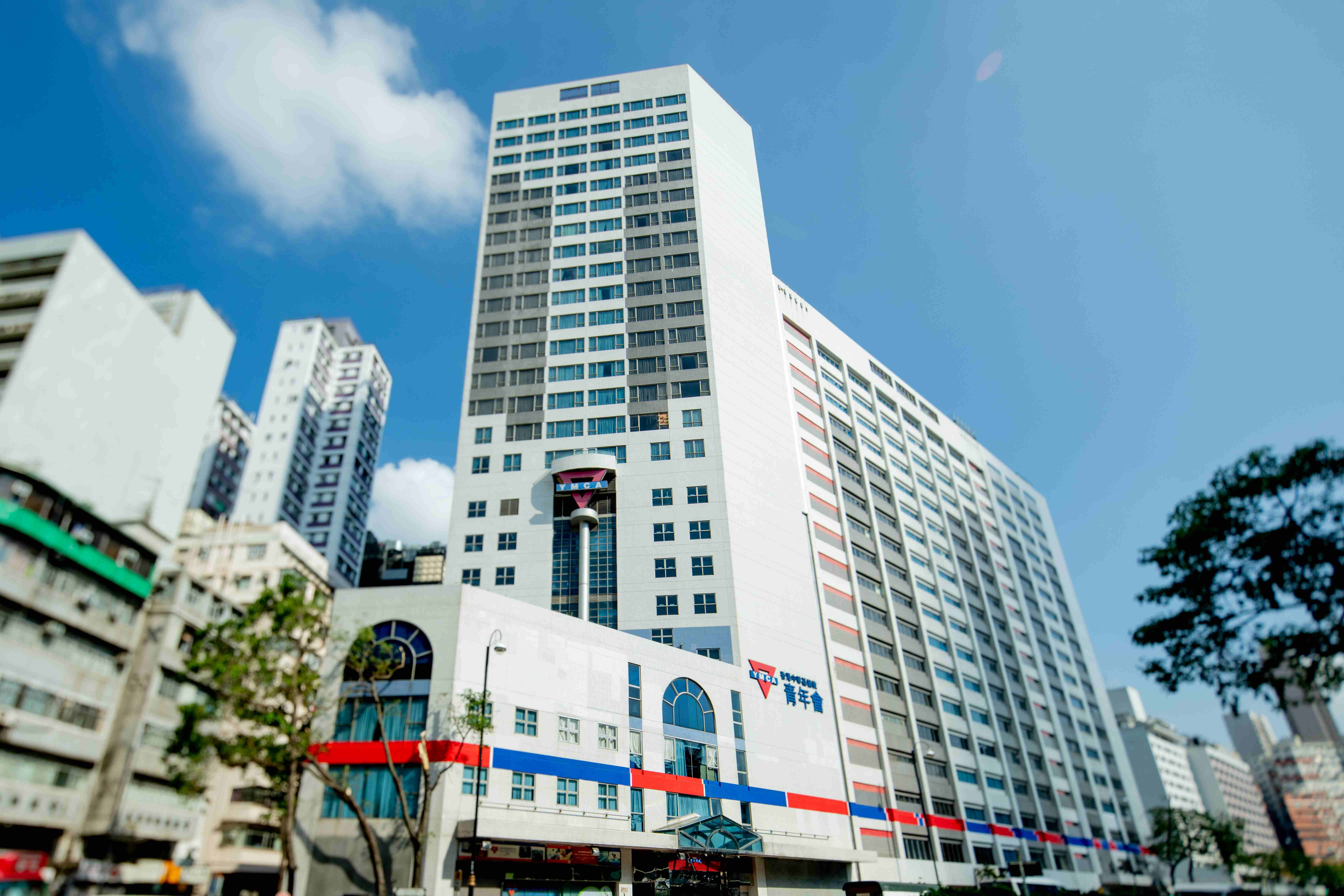
The YMCA headquarters was erected in Waterloo Road, with facilities including the programme centre, a gymnasium and the YMCA International House, starting our hostel services.

1966

The Lions-YMCA Junk Bay Youth Camp, the first campsite of the Association, commenced its activities; in 1970, the Association received the Wu Kwai Sha Children’s Home from the Christian Children’s Fund Inc.; and in 1971, the Y’s Men-YMCA Wong Yi Chau Youth Camp was officially opened, expanding our outdoor activities services for the youth.

1959

The Li Cheng Uk and Shek Kip Mei Rooftop Centres were founded, serving the residents of the resettlement estates who survived the disastrous fire. Their main purpose was to help the children in the resettlement estates by providing them access to education to help them grow in a caring environment. The "Rooftop Service" project was well supported by the Hong Kong Social Welfare Department and the World Alliance of YMCAs and was widely lauded for its efforts.

1956

As the war came to an end, the YMCA actively participated in community reconstruction projects and promoted the education of the underprivileged, the Youth for Christ Campaign, the Gospel for the Children Movement, health camps, etc.

1945

The Association promoted wartime services and organised worships, the Refugee Relief Section, the War Service Team and the “Bowl of Rice Movement”.

1937 - 47

The Chinese Day School was established, launching our education programme – the predecessor of Chinese Y.M.C.A. Secondary School.

1918

1918

The Chinese Day School was established, launching our education programme – the predecessor of Chinese Y.M.C.A. Secondary School.

1929


The Kowloon Branch at Waterloo Road was established, extending the services of the Association to the Kowloon Peninsula.

1937-47

The Association promoted wartime services and organised worships, the Refugee Relief Section, the War Service Team and the “Bowl of Rice Movement”.

1945

As the war came to an end, the YMCA actively participated in community reconstruction projects and promoted the education of the underprivileged, the Youth for Christ Campaign, the Gospel for the Children Movement, health camps, etc.

1956

The Li Cheng Uk and Shek Kip Mei Rooftop Centres were founded, serving the residents of the resettlement estates who survived the disastrous fire. Their main purpose was to help the children in the resettlement estates by providing them access to education to help them grow in a caring environment. The "Rooftop Service" project was well supported by the Hong Kong Social Welfare Department and the World Alliance of YMCAs and was widely lauded for its efforts.

1959

The Lions-YMCA Junk Bay Youth Camp, the first campsite of the Association, commenced its activities; in 1970, the Association received the Wu Kwai Sha Children’s Home from the Christian Children’s Fund Inc.; and in 1971, the Y’s Men-YMCA Wong Yi Chau Youth Camp was officially opened, expanding our outdoor activities services for the youth.

1966

The YMCA headquarters was erected in Waterloo Road, with facilities including the programme centre, a gymnasium and the YMCA International House, starting our hostel services.

1970

The Association and the Hong Kong Government began a collaborative effort to enhance social services; numerous service units began operations as a result. In addition, we also implemented the Playleadership Project at Yau Ma Tei Public Playground, the Mobile Gymnasium service and the Pilot Youth Guidance Projects – the predecessors of the later outreach service.

1980

The school social work and outreach social work programmes were launched, developing individual counselling services for young people.

1987

The Christian Works Department was established, supporting the religious activities of every YMCA service centre, school or joint-district function.

1989

The Association began operating the Y’s Men Centre for the Deaf, taking over from the Y’s Men’s Club of Victoria.

1990

The Tin Ping Social Centre for the Elderly and the Tin Ping Hostel for the Elderly were officially opened, signalling the launch of our elderly care services.

1995

The YMCA College of Careers was registered at and therefore officially recognised by the Education Department of the Hong Kong Government, whereupon it began offering various daytime and night-time diploma programmes
The Home of Love-Sheltered Workshop and Hostel were officially opened, providing professional training and hostel accommodation for the mentally handicapped. The Counselling Unit was set up and started to provide counselling service.

1996

The Counselling Unit was set up and started to provide counselling service.

2000

The newly established Chinese Y.M.C.A. Primary School and Chinese Y.M.C.A. Secondary School commenced their operations in Tin Shui Wai. And with the opening of Chinese Y.M.C.A. Kindergarten in 2001, the Association could now offer “through-train” education in the district.

2003

The Association extended its services to universities. The first University YMCA was established at the Baptist University of Hong Kong; the second one was established in 2007 at Chung Chi College of the Chinese University of Hong Kong.

2007

The first social enterprise, “Magic Kingdom”, was launched; the second, “Sweet Heart Cafe”, was established the year after, giving the underprivileged access to work opportunities.

2008

The YMCA International House and the Harbour View International House were renamed “The Cityview” and “The Habourview” respectively.

2010

Organised World Council of YMCAs in Hong Kong for the first time.

2012

Island Christian Academy was established.

2014

Project Zero transformed Wu Kwai Sha Youth Village into the first Zero Carbon Living Campsite in Hong Kong.

2015

Launched Y-Care CSR Scheme to encourage corporate to fulfill social responsibilities.

2016

The 115th Anniversary celebration of Chinese YMCA of Hong Kong was held, and more than 1,500 people participated in the parade.

2017

The first "YM Volunteer Awards Ceremony" was held, and more than 2,000 volunteers were commended.

2018

The social enterprise YM Fleur was established to train grassroots women in floral arrangement production

2019

Launched the "Sport-Friendly Action” programme and promoted the Hong Kong Walking Football League

2020

Established the Health Care Professions Department

2021

The association celebrated its 120th anniversary with various commemorative activities

2022

The social enterprises YM HAIR, YM Deli, and YM Café@CVA Commons were successively established

2023

Opened the Kei Yau Integrated Medical Service Centre, providing both Chinese and Western medicine outpatient services

2024

Launched the Tsim Sha Tsui Kei Yau Integrated Health Centre